Guidance from people who've been there.
Plain-English articles on divorce, custody, and starting over — written by the lawyers, therapists, and experts we trust.

How Legalfina Makes Filing a DVRO Simple and Stress-Free
Filing a California DVRO fails most often not on dramatic legal errors, but on blank fields, vague descriptions, and botched service. Learn why "he grabbed my wrist on March 3rd" beats "he's controlling," why 400 angry texts lose to five quoted threats, and how the temporary order can issue in one court day—if you serve the papers correctly before your hearing three weeks out.
 0
0  34
34 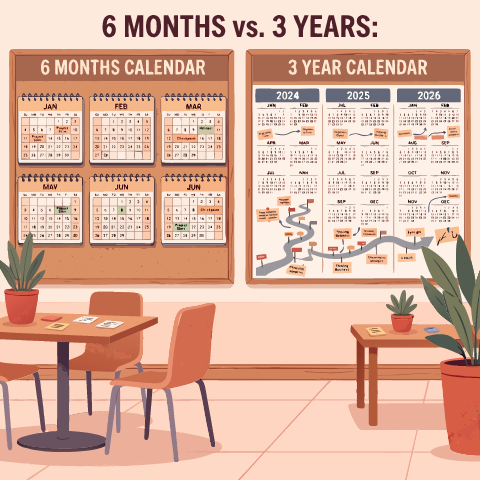
How Long Does a California Divorce Really Take? 6 Months to 3 Years
California's six-month waiting period is only the floor, not an estimate of how long your divorce will take. This experienced attorney reveals the four real drivers—contested vs. uncontested, financial complexity, conflict level, and your county's backlog. Learn why filing first and proving your spouse cheated won't speed anything up, and which three habits help clients finish fastest.
0 50 
Getting a CA Restraining Order for Broken Property
In California, you don't need a bruise to get a restraining order. Under the state's domestic violence laws, destroying property—smashing a phone while blocking the door, punching holes near your head, taking a bat to your car—can support a Domestic Violence Restraining Order. Learn what moves a judge, why "it was just the wall" undersells your case, and the photos, texts, and repair bills that prove intimidation is abuse.
0 40 
Traveling Out of State With Kids After Divorce: What Your Custody Order Really Allows
Planning a summer trip with the kids and your ex said no? Before you panic, read your custody order—the travel or vacation clause is typically the key starting point. Learn the crucial difference between a vacation and a "move-away," why a silent order still means you should give written notice, and the four things judges actually care about. Plus, the disputes (like who sits next to whom on the plane) that carry zero legal weight.
0 53 
8 Costly Mistakes in a California DIY Divorce (and How to Avoid Them)
Filing your own California divorce is doable—but the paperwork is unforgiving and nobody at the courthouse can warn you when you're wrong. After 400+ cases, the same traps repeat: you legally can't hand your spouse the papers yourself, hiding an asset can cost you 100% of it, and skipping a QDRO can silently erase your share of a 401(k). Here are the mistakes that actually cost people, and how to sidestep them.
0 103 
My Ex Buys Designer Bags With My Child Support — Can I Fight It?
Watching your ex flaunt designer bags and Cabo trips while your support money vanishes is infuriating—but California law doesn't require the receiving parent to account for how child support is spent. So when does that spending actually matter to a judge? Learn how it can expose hidden income, when it signals real neglect (too-small shoes, untreated dental pain), and the fight that only costs you money and goodwill.
0 190 
How to Impress a Family Court Judge in a 20-Minute Custody Hearing
In family court, first impressions can matter, and how you carry yourself may shape perceptions before you say a word. Learn why a three-inch binder of angry texts backfires, how "he returned the kids late six of eight times" beats calling your ex "irresponsible," and why staying composed—while still correcting material falsehoods—often reads better than reacting. Concrete habits—arriving 30 minutes early, dressing job-interview neat, speaking in facts—that turn presentation into evidence.
1 119 
Supporting Children Through Divorce: Age-Appropriate Strategies for Parents
A four-year-old and a fourteen-year-old live the same divorce in completely different worlds. Drawn from over 100 cases, this guide reveals what actually helps at each stage: why short, frequent visits are often recommended for a nursing infant over week-on/week-off, why preschoolers blame themselves, why your tween vents anger at the safe parent, and why forcing a teen's schedule can potentially cost you the relationship by age 18.
1 100 
Can My Restraining Order Include My Kids?
If you’re a parent filing for a Domestic Violence Restraining Order (DVRO), one of your first questions might be about your children’s safety. Can they be protected under the same order? Should they be? And what would that mean for custody?
3 114